Flanders Fields, located south of Bruges, is a region steeped in history, beauty, and solemnity. Known for its pivotal role during World War I, it is a destination that offers insight into the sacrifices of soldiers and the profound impact of war. A day trip to Flanders Fields is an unforgettable experience, combining moments of reflection with the opportunity to explore the region’s cultural and natural treasures.

Endless panoramic views, gently rolling hills, flat polders and a breath-taking silence. The landscape where the terrible battles of the Great War were once fought are now a calm and peaceful natural paradise with limitless pleasure. This green region, sandwiched between the French border and the North Sea coast, is peppered with numerous picturesque villages and attractive towns, where you can not only discover the sad history and silent witnesses of the First World War, but also enjoy a bite to eat and a refreshing drink at one of the many charming restaurants and taverns, often located in the most idyllic settings. A joy for walkers and cyclists. Why not sample a Picon, we thought, the delicious borderland aperitif? One thing is certain; wherever you go and whatever you do, you are always welcomed with the same Westhoek friendliness.
While the historical significance of Flanders Fields is undeniable, the region also offers natural and cultural beauty. The serene landscapes, dotted with poppies that bloom in remembrance, are ideal for walking or cycling. Additionally, the charming towns in the area feature medieval architecture, local markets, and warm hospitality, making Flanders Fields a destination that appeals to both history enthusiasts and casual travellers. The “capital” of the Westhoek is the medieval city of Ypres, once almost completely destroyed in World War I and rebuilt down to the last stone. Thanks to the In Flanders Fields Museum, Ypers Museum and the daily Last Post Ceremony, echoes of the past are never far away.

A day trip to Flanders Fields is much more than a journey through history—it is an opportunity to connect with the past, honour those who sacrificed their lives, and appreciate the enduring beauty of the region. Whether you come for the history, the scenery, or the culture, Flanders Fields leaves a lasting impression, reminding visitors of the importance of peace and the resilience of humanity.
We began our day with an early trip to the region, easily accessible by car from Bruges. The scenic drive set the tone, taking us through picturesque countryside landscapes. Arriving in Flanders Fields, we found ourselves surrounded by rolling fields and charming villages—a stark contrast to the grim history that once unfolded here. Our party started our exploration at the In Flanders Fields Museum, located in the historic Cloth Hall of Ypres (Ieper). This interactive museum provides a comprehensive overview of World War I, focusing on the battles fought in the Flanders region. With multimedia exhibits, personal stories, and artifacts, the museum immerses visitors in the experiences of soldiers and civilians during the war. To get in some daily exercise, we climbed the Cloth Hall’s bell tower for breathtaking views of Ypres and its surroundings.
After the museum, we drove to the Tyne Cot Cemetery, the largest Commonwealth war cemetery in the world. Located near Passchendaele. It is the final resting place for thousands of soldiers who perished in the war. Walking among the rows of white headstones and reading the names inscribed on the memorial wall is a poignant reminder of the human cost of conflict. The tranquillity of the cemetery, surrounded by lush fields, invites quiet reflection.

We took a break from our historical exploration to enjoy a meal in a local restaurant and treated ourselves to traditional Flemish dishes such as stoofvlees (beef stew) served with fries, or waterzooi (a creamy chicken or fish stew). Pairing our meal with a refreshing Belgian beer, of course!
Afternoon & Evening
In the afternoon we continued our journey with a visit to Hill 60, a site of significant trench warfare during World War I. Walking along the preserved trenches and craters, you are able to envision the harsh conditions faced by soldiers. Nearby, the Menin Road offered more opportunities to explore the remnants of war, including memorials and bunkers.
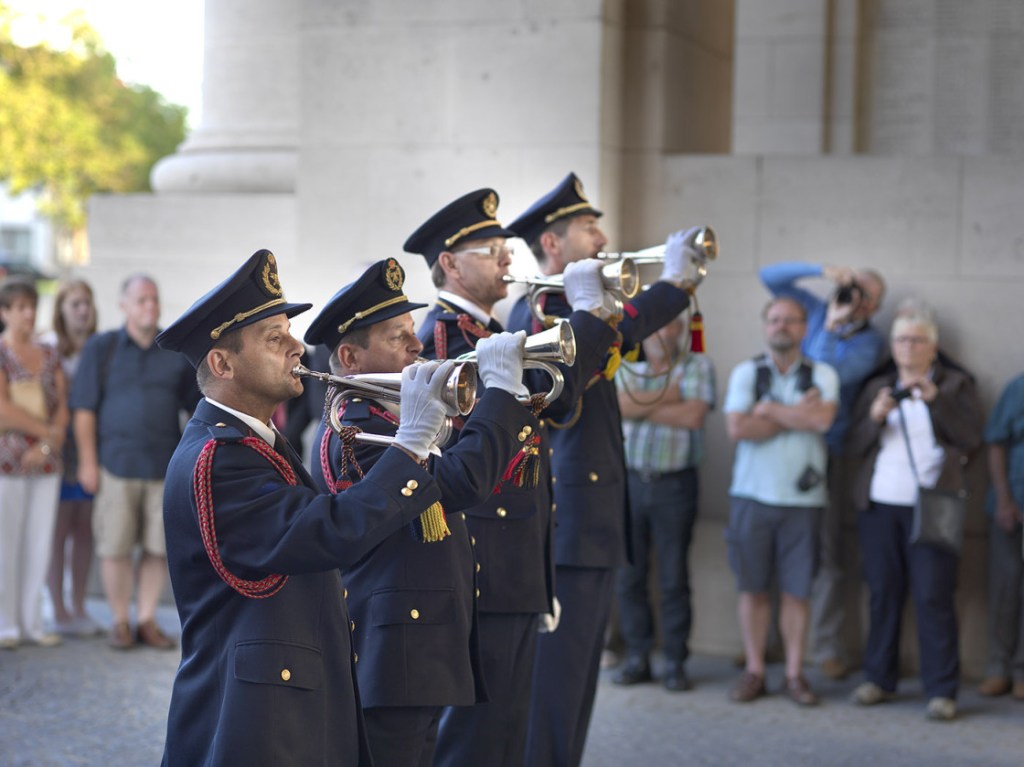
In the early evening, we concluded our day trip by returning to Ypres to witness the Last Post Ceremony at the Menin Gate Memorial. This daily ceremony, held at 8:00 PM, honours the fallen soldiers of the British Commonwealth. The buglers’ hauntingly beautiful rendition of the Last Post creates a poignant and emotional atmosphere, drawing visitors from around the world. It was a fitting end to a day dedicated to remembrance.
Photo credits Westtoer, David Samyn, Stefan Dewickere


